


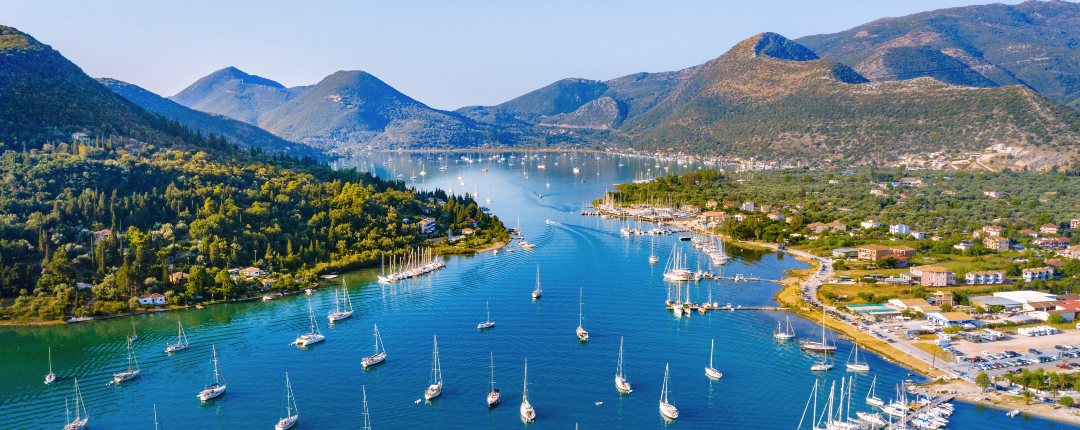
Scattered off the western coast of the Greek mainland to the south of the Peloponnese and east of the Italian Peninsula, the Ionian Islands are located in the Ionian Sea. As noted, while there are over 20 islands, most are small and uninhabited with the seven main lands Zakynthos or Zante, Ithaca, Kefalonia, Corfu, Lefkada, Kythira, and Paxos. Each one offers something special of its own from unique character to attractions. All are surrounded by stunning, crystal-clear turquoise water and boast lush greenery. Some are particularly notable for their striking natural beauty like Kefalonia. Ithaca attracts many history enthusiasts with strong connections to Homer’s epic, The Odyssey, while others are ideal for vibrant nightlife like Corfu and Zakynthos.

The Ionians are made up of over 20 islands, primarily small and uninhabited islets, with the major islands including Corfu, Kefalonia, Ithaca, Lefkada, Zakynthos, Paxos, and Kythira. These are some of the lushest of the Greek islands, sometimes even referred to as “tropical,” but rather than palm trees, they’re home to lots of fragrant pines. There are many idyllic beaches, from smooth pebble stretches to soft sands, many featuring limestone rock formations. All are framed by clear, electric blue water that might make you think you’ve landed in the Caribbean. If you’re planning to visit during your Greece vacation, this guide to the Ionian Islands will help you make the most of your time, from where to go to when.
Where are the Ionian Islands?
Best Time to Visit the Ionian Islands
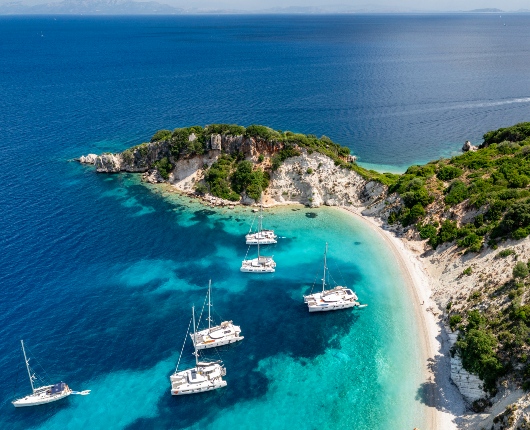
If you want to avoid thick crowds and enjoy pleasant weather for spending time on the beaches, hiking, and other activities, along with discounted accommodation prices, visit the Ionian Islands in mid-to-late spring or early fall, May through mid-June or mid-September through mid-October in particular. Temperatures during these periods are warm but generally mild, ranging from the low 70s to mid-80s Fahrenheit. July and August are the most popular months, with the peak of summer getting quite crowded and hot, including temperatures averaging from the upper 80s to mid-90s or hotter. Swimming will be especially enjoyable now with the sea around 75 degrees, but you’ll have to plan your trip well in advance, paying higher prices for airfare and hotels.
How to Get to the Ionian Islands
The fastest and easiest way to reach the Ionian Islands is by flying from Athens to one of the major airports, with the primary gateway Corfu International Airport (CFU). There are many airports offering direct flights to CFU from the United Kingdom as well, including London Gatwick Airport. Milan (MXP) in Italy and Barcelona (BCN) in Spain, also offer direct flights. Once in Corfu, there are ferries to the other islands, including Kefalonia, Lefkada, Ithaca, Paxos, and Zakynthos. It’s also possible to fly between the islands although it will be more expensive.
Key Ionian Islands
Zakynthos
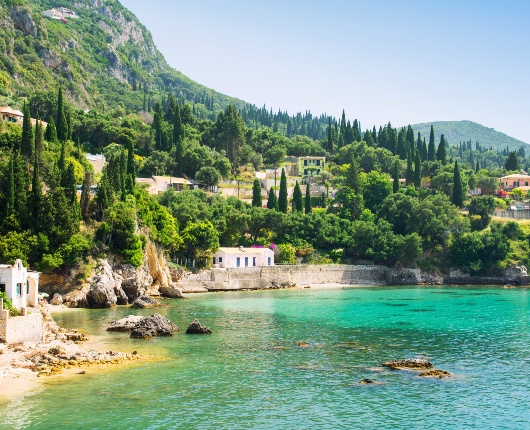
Zakynthos is perhaps most famous for Shipwreck Beach, officially called Navagio, with the rusted remains of a shipwreck sitting on chalk-white sands between two cliffs, edged by Easter egg blue water. This is one of the country’s most verdant islands, with its western and northern shores featuring rugged mountains and cliffs rising hundreds of feet above the sea. There are many other spectacular beaches, from bustling stretches with umbrellas and loungers like Banana Beach. It’s the largest on the island, popular for water sports with rentals available. Jet skiing, SUP, sea kayaking, parasailing, and more can all be enjoyed while various vendors serve chilled beverages and snacks. Wildlife enthusiasts have the opportunity to swim or snorkel alongside loggerhead turtles in Laganas Bay.
Corfu
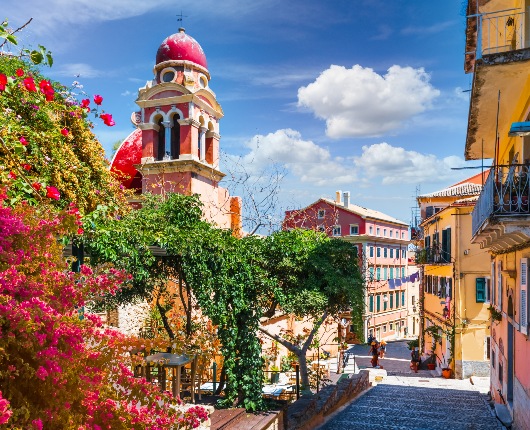
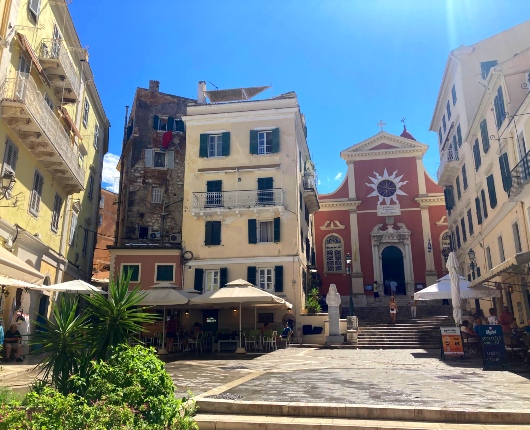
Corfu sees more rainfall than its neighbors, but that means it’s the most lush in the island group, with emerald-covered mountains plunging to pristine white sand beaches and striking blue waters. A haven for nature and outdoor lovers, there are cascading waterfalls, lagoons teaming with birdlife, and miles of hiking trails for exploring it all, including the Corfu Trail stretching for 93 miles. There’s plenty of history to explore, along with magnificent Venetian architecture. Corfu Town is particularly enticing with a beautifully preserved UNESCO-listed Old Town while buildings feature Venetian, French, and British influences. You can learn more about the town’s and the island’s rich past in places like the Archaeological Museum displaying artifacts from the ancient Greek and Roman eras.
Ithaca
Ithaca is often referred to as the mythical island of Odysseus. The moment you step foot here, you’ll understand why. It may be small but the scenery alone makes up for its size with lush green hills, rugged mountains, and a dramatic coastline with secluded coves and crystal-clear waters in hues ranging from deep emerald to brilliant aquamarine. Outdoor activities include everything from swimming, snorkeling, diving, and sea kayaking to biking and hiking. Some of the top attractions include Loizos Cave where an ancient Greek burial site with a sword, knife, and coins was discovered, the medieval village of Anogi, and the 17th-century Katharon Monastery, a site of pilgrimage in a spectacular location on the southeastern peak of the Homeric Mountain Nirito.
Kefalonia
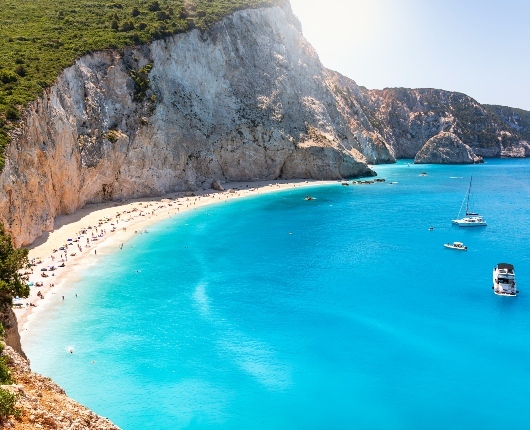
Despite its incredible natural beauty, Kefalonia has managed to remain mostly unspoiled. It offers beaches with soft white sands and a sea with brilliant blue-green waters ideal for swimming and snorkeling while surrounded by aromatic pines. Myrtos Beach is nestled between two mountains and is frequently named the most beautiful in Greece. The sparkling water practically glows when the sun’s rays splash across it thanks to the marble sediment. Fiskardo, the island’s most well-preserved historic village, has a rocky coast that’s ideal for snorkeling, along with many seaside tavernas featuring fresh fish on the menu. Don’t miss a boat tour to the Blue Cave with an underground lake or Mount Ainos National Park, featuring scenic hiking trails, deer, and wild horses.
Lefkada
South of Corfu, Lefkada is connected to the mainland by a floating bridge making it easy to reach, but it’s rarely crowded, sometimes called one of the country’s best-kept secrets. Lefkada Town is one of the best places to go to experience traditional village life. Soak up the scene at one of the cafes bordering the large, shady square, lively day and night. The landscapes include idyllic beaches with clear aquamarine water and sparkling bays where one can swim, paddle in a sea kayak, dive, sail, and paraglide. If you’re into wind sports, Ndyri and Vassiliki are popular with kitesurfers and windsurfers thanks to the consistent winds. Hiking and mountain biking enthusiasts can hit the scenic trails in the mountains too.
Paxos
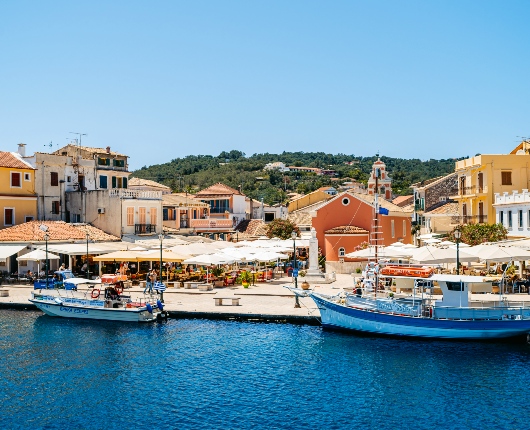
The enchanting island of Paxos is filled with breathtaking natural beauty and charming villages, offering a tranquil setting for a relaxed escape. In the main town of Gaios, there’s a harbor lined with colorful buildings and waterfront tavernas for authentic eats while the villages of Loggos and Lakka also have a lovely traditional Greek vibe that makes them ideal for leisurely strolls. Paxos is renowned for its beaches which include secluded stretches like Monodendri and Voutoumi, tucked into hidden coves. Swimming, sailing, kayaking, and paddleboarding are all popular, with coastal formations and caves to discover. The island has a rich history too, with several historic sites, including old stone carved cisterns and the ruins of the early Christian basilica of Agia Marina.
Activities & Attractions
Historical & Cultural Sites
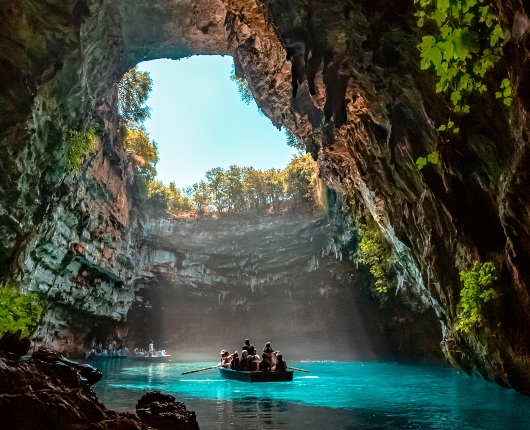
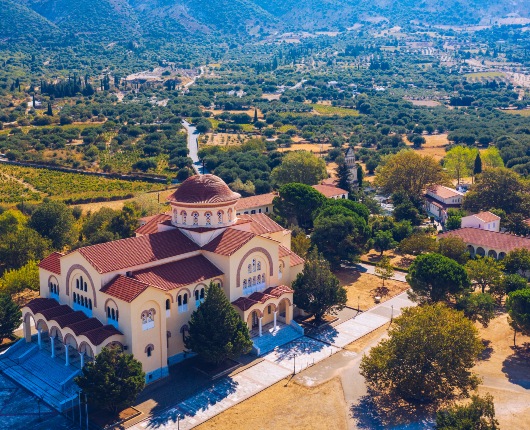
The Ionian Islands are rich in historical and cultural sites having been influenced by various civilizations over the centuries. The Old Town of Corfu, a UNESCO World Heritage site, is known for its Venetian architecture, cobblestone streets, and impressive fortresses, including the Old Fortress and New Fortress. The Achilleion Palace, built by Empress Elisabeth of Austria, showcases stunning gardens and neoclassical art. Kefalonia is home to the ancient ruins of Samé and the striking Melissani Cave where archaeological findings reveal its historical significance while the Monastery of Agios Gerasimos offers a glimpse into the island’s religious heritage. Beyond its stunning beaches, Zakynthos hosts the Byzantine Museum with significant religious artifacts and the ruins of ancient Dionysiat, while Paxos hosts a Venetian fortress.
Outdoor Activities
Beyond the beaches and the wealth of watersports outlined below, there are many outdoor activities available throughout the Ionian islands. There are miles and miles of hiking trails that lead through lush landscapes while providing breathtaking views of the countryside and coastline. Corfu and Kefalonia are two of the favorites for scenic treks. Several islands have scenic routes for cycling, allowing visitors to explore charming villages and picturesque landscapes at their own pace. Explore fascinating caves, like the Melissani Cave in Kefalonia or the Blue Caves with stunning rock formations and vibrant blue waters. The surrounding Ionian Sea provides an idyllic place to sail with both sailing tours and boat rentals available for exploring, including hidden, remote coves for unforgettable swims.
Beaches
There are nearly countless beautiful beaches in the Ionians. One of the most famous is Navagio Beach, more often referred to as Shipwreck Beach. Frequently featured in travel brochures and postcards, it’s famous for the rusted skeleton of a shipwreck, tucked into a cove between two soaring limestone cliffs and edged by surreal electric blue waters. It can only be accessed by boat, with multiple tour options available, or you can drive to the overlook and marvel at it from above, the best vantage point for photos. Kefalonia is a dream with two of our favorite beaches: Myrtos, which is ideal for sunbathing and sunset watching, and Glyfada, which is one of the most popular on Corfu with golden sands and clear blue waters.
Dining & Nightlife
Local Cuisine
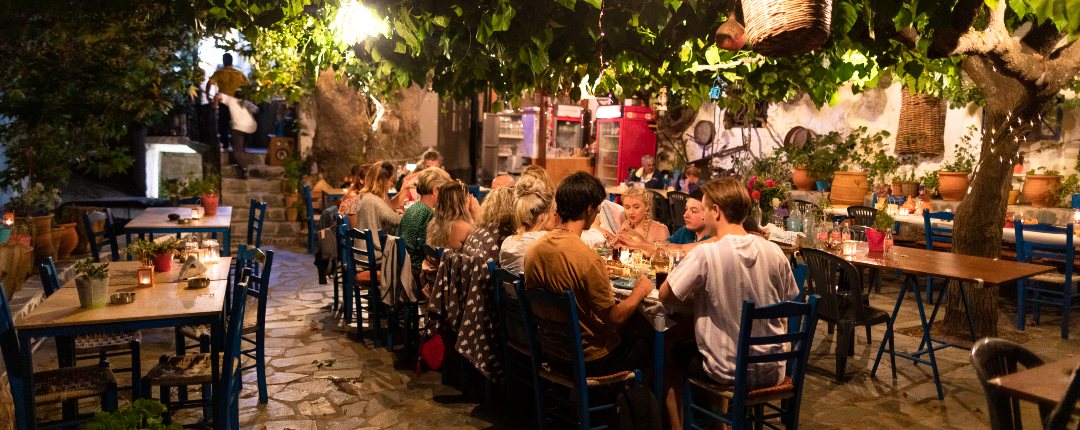
The Ionian Islands feature a rich and diverse culinary tradition reflecting the region’s maritime heritage and agricultural abundance. Some of the most popular local dishes you can find across the islands include seafood. Fresh fish and seafood are staples in Ionian cuisine with grilled fish, octopus, and prawns, often drizzled with local olive oil and lemon, frequently on restaurant menus. Feta-stuffed peppers are popular as is the baked pasta dish layered with seasoned beef and béchamel sauce called pastitsio, a favorite at celebrations and family gatherings. High-quality olive oil is integral to nearly every dish and baklava is common for dessert.
Nightlife
The nightlife in the Ionian Islands is as vibrant and diverse as the islands themselves. You’ll find lively social scenes, relaxed beach bars, beach parties, traditional tavernas, and clubs. Zakynthos is famous for its party scene, especially in Laganas, attracting younger crowds. The area buzzes with nightclubs, open-air bars, and themed parties, while quieter towns like Zante Town offer more relaxed dining and drinking options. Corfu has more diverse nightlife with lively bars in Kavos and Gouvia, along with cultural events such as traditional music performances in Corfu Town. Skiathos is known for its buzzing nightlife with numerous bars and clubs, particularly in Papadiamantis Street and the Bourgas area. Enjoy dancing to everything from live Greek music to DJs spinning contemporary hits.
Ready to plan your trip?
Whatever you want from your dream trip, our team ofexperts are ready to help.


COPYRIGHT © 2026 UNFORGETTABLE GREECE. ALL RIGHTS RESERVED