


Best Places to Visit in the Peloponnese
Less than an hour from Athens in the southernmost region of Greece, the Peloponnese Peninsula is connected to the mainland by a bridge. It’s renowned for its unspoiled landscapes that range from snow-dusted mountains, waterfalls, and sparkling lakes to rugged gorges, hills covered with vineyards, and exceptional sandy beaches. There’s a rich history to explore too, with some of its intriguing past revealed in three UNESCO World Heritage Sites: Mycenae/Tiryns, Mystras, and Olympia, the site of the very first Olympic Games. Fortresses and fascinating treasures from Byzantine cities and Mycenaean palaces can be discovered too. To make the most of your time, put at least a few of the best places to visit in the Peloponnese on your itinerary.

Where is the Peloponnese?
The Peloponnese is a peninsula and geographic region located at the southern tip of the Greek mainland covering over 8,320 square miles in area. It connects the country’s central area by the Isthmus of Corinth, a land bridge separating the Saronic Gulf and the Gulf of Corinth. There are two groups of islands lying off its coast as well, including the Ionian to the west and the Argo-Saronic Islands with its major islands of Poros, Agistri, Aegina, and Salamis. The easiest way to reach the Peloponnese on your Greece vacation is by flying into Athens, renting a car, and driving to your destination. While there are some cities in the Peloponnese with airports, they serve only a handful of destinations.
Geography of the Peloponnese
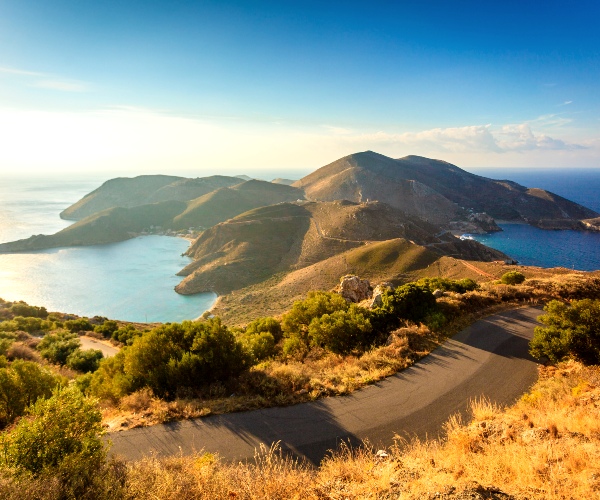
The Peloponnese Peninsula has a deeply indented coast with numerous breathtaking beaches that serve as a major attraction for tourists. The interior is mountainous, with Mount Taygetus in the south home to the highest mountain at nearly 7,900 feet. In the northeast, Cyllene is just slightly lower at about 7,800 feet. There are many other tower mountains from Aroania in the north to Parnon in the southeast while the longest river is 68-mile-long Alfeios in the west. On top of the beaches, mountains, and rivers, there are beautiful, lush valleys and dense forests that come together to make the entire region unique and aesthetically appealing while offering a variety of outdoor adventures from swimming and snorkeling to hiking and biking.
Best Places to Visit
Ancient Olympia
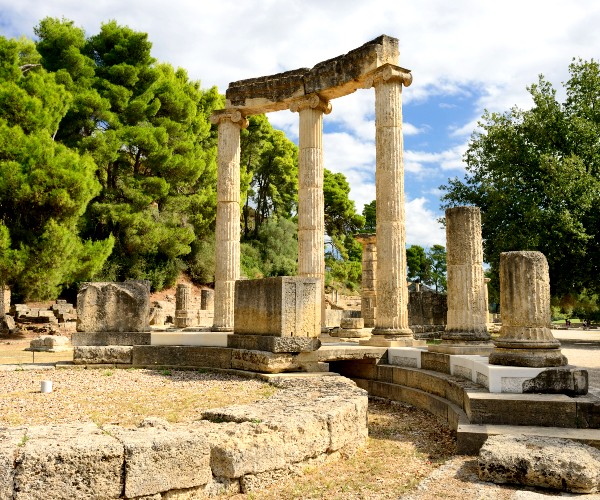
You don’t need to be a dedicated history buff to admire the significance of Ancient Olympia. This is where the Olympic Games began nearly 3,000 years ago, and standing inside the original stadium still feels significant. You can walk through the ancient stone entrance used by athletes centuries ago before stepping onto the same track where competitions once took place.
The museum is equally worthwhile, particularly the sculptures from the Temple of Zeus, which remain remarkably expressive thousands of years later. But part of Olympia’s charm comes from the atmosphere itself — cicadas humming, olive trees rustling, and the earth warm beneath your feet.
Mycenae
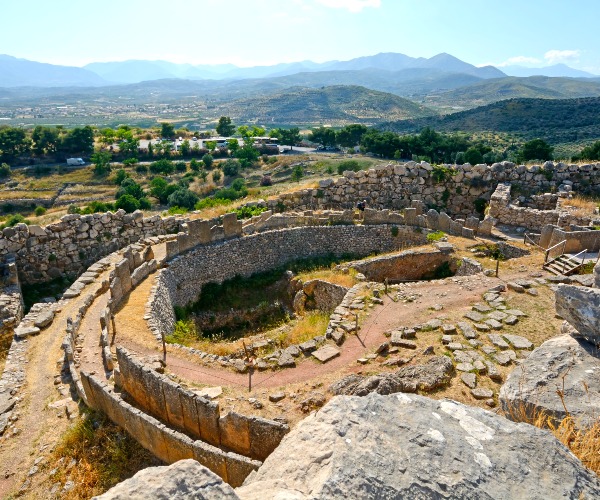
Don’t miss the chance to discover the ruins of ancient Mycenae. Nestled in the northeast, this city was once the country’s most powerful kingdom and a main center of civilization. Around the second millennium BC, it dominated much of southern Greece as the forerunner to the Athenian civilization. Linked to the renowned Homeric epics that have influenced European art and literature for more than 3,000 years, it played a significant role in the development of classical Greek culture. Some of the most notable landmarks include the Lion Gate which serves as the entrance to Agamemnon’s fortress, the palace itself which includes private royal apartments, unique tombs, and the vaulted tunnel, a masterpiece of engineering for the period called the “secret cistern.”
Epidaurus
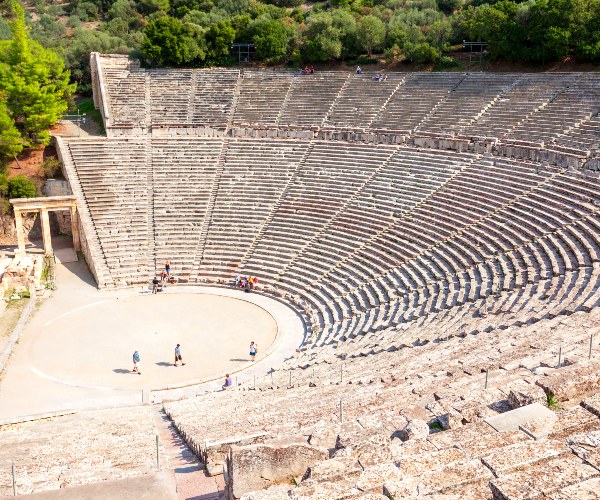
Located on the northeastern side of the Peloponnese in the Argolis region, the ancient town of Epidaurus is one of the peninsula’s most important. It’s best known for its ancient theater, the most well-preserved in Greece when it comes to structure while offering perfect acoustics. The Ancient Theatre of Epidaurus boasts both unique architecture and harmonious proportions, once holding up to 14,000 spectators. Built in the late 4th century BC, it originally included 34 rows of seats divided into over 30 blocks by stairs and walkways. Everything from music, singing, and games took place here, and it also served as a venue for healing patients with the dramatic shows believed to bring positive benefits for mental and physical health.
Monemvasia
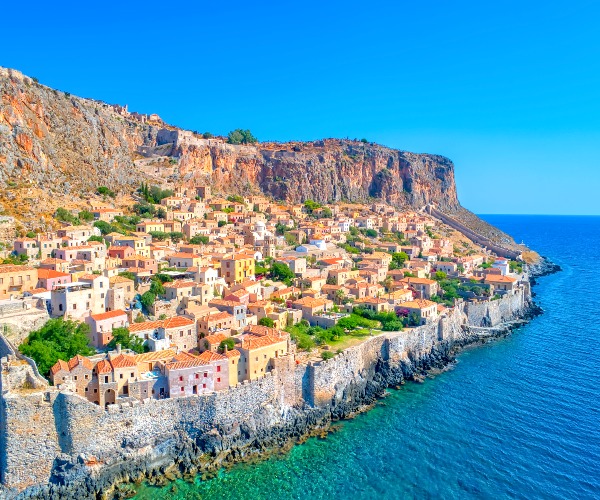
A unique walled castle town carved right into rock, the Venetians referred to Monemvasia as the “Gibraltar of the East.” It’s a living museum with a storybook feel, complete with cobbled paths and alleyways, and Venetian, Ottoman, and Byzantine influences. Only around 20 inhabitants live within the walls of its castle, or kastro, with most of the area residents living in modern Gefrya on the mainland across the causeway. For an awe-inspiring view, take the rocky path in the upper part that leads to the Fortress of Youlas. In the lower part, there are historic ruins and Byzantine churches. Don’t miss the archaeological museum, housed in a well-preserved 16th-century building. After dark, head to a taverna to sample the local Malvasia wine.
Nafplio
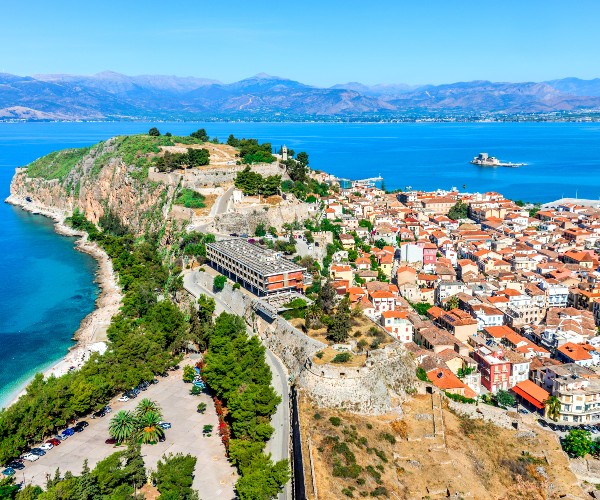
There’s a reason so many Greeks admit Nafplio is their favorite town in the country. The old town is full of neoclassical mansions, marble alleyways, and waterfront cafés where dinner easily stretches late into the evening. You’ll spot locals gathering in Syntagma Square while fishing boats bob gently in the harbor below the hilltop Palamidi Fortress. Dreamy, right?
The climb to the fortress is steep (over 800 stone steps) but the view across the Argolic Gulf is worth every one. Beyond the postcard beauty, Nafplio feels easy to settle into. Mornings start slowly with Greek coffee and pastries, afternoons are spent wandering tiny backstreets, and evenings revolve around seafood tavernas serving grilled octopus, shrimp saganaki, and chilled local wine.
Ancient Corinth
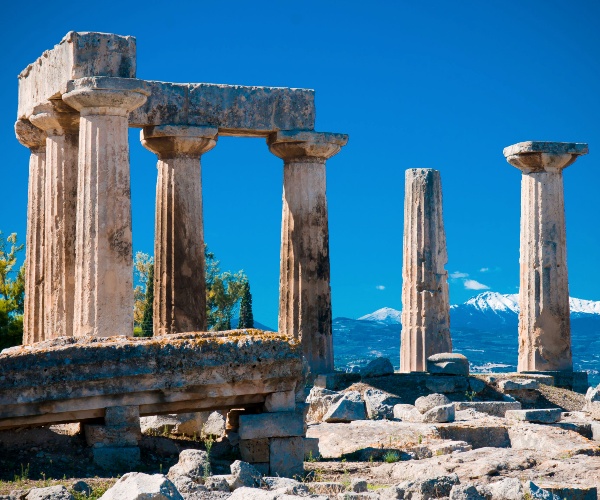
Corinth is often treated as a quick stop between Athens and the Peloponnese, but it deserves far more time than most travelers give it. Ancient Corinth was once one of Greece’s most powerful cities, and the ruins still feel impressive against the surrounding mountains.
The Temple of Apollo dominates the site, while scattered remains of marketplaces, fountains, and Roman streets hint at the scale of the ancient city. Above it all sits Acrocorinth, a vast fortress spread across the hillside. The climb is steep, but the views stretch all the way to the sea.
Mani Peninsula
Symi may be lesser-known but it has that wow factor as one of the best islands for a honeymoon in Greece. Your first glimpse when cruising into the harbor is the steep hillsides strewn with colorful neoclassical mansions, an image perfect for postcards. Along the waterfront, are a variety of shops selling the island’s famous sponges and handmade leather items. In between, traditional tavernas often feature Symi shrimps. There are many beautiful beaches, both pebbly and sandy, edged by water in shades from deep emerald to electric blue. Visit them by taking a boat tour that brings to some that can only be reached by water for romantic seclusion. Nanou Beach is ideal for relaxing and boasts a taverna serving fresh seafood.
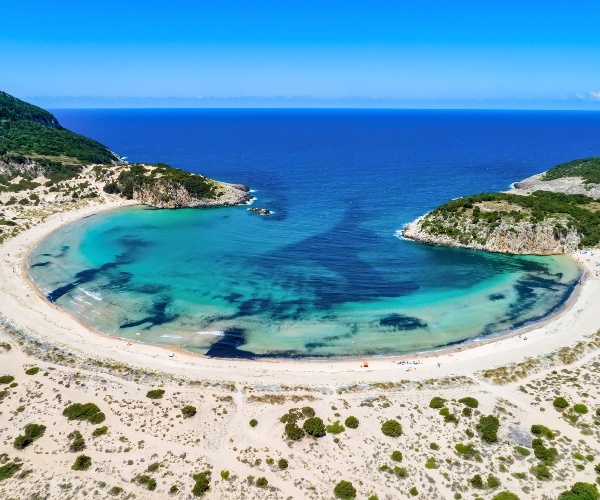
Voidokilia Beach
One of the most famous and most beautiful beaches in all of Greece, Voidokilia is located on the western side of the peninsula near Pylos. It offers soft dunes, pristine white sands, and remarkably clear blue waters while protected by the Natural 2000 program that protects Europe’s most valuable and threatened species and habitats. It’s the ideal place to relax while surrounded by the beauty of nature. With two rocky promontories that define the entrance to the bay, the beach is protected from the wind which means it’s very pleasant to swim or for families with small children to splash around as the water is calm and shallow. Head to the top of the dunes for a beautiful view over it all.
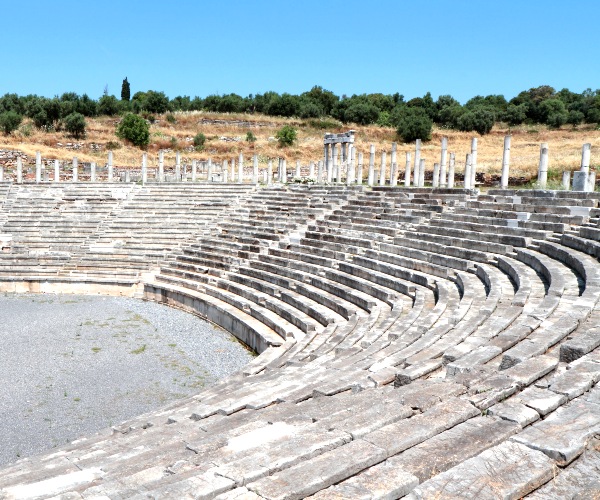
Ancient Messene
A magnificent archaeological site and UNESCO-listed monument, Ancient Messene was built on the mountain slopes of Ithome and in the Messenian valley. Founded in the 4th century B.C., it’s home to remarkably preserved ruins that include a marketplace, theater, fountain, stadium, temples, and fortifications with a grid plan layout characteristic of ancient cities in Greece. The well-preserved stadium is one of the most impressive of its kind that’s ever been discovered. It once hosted a variety of sporting events that included running races to highlight the importance of athleticism in ancient Greek society. There’s an archaeological museum on-site as well, showcasing a wide range of items related to art, religious practices, and daily life in Ancient Messene.
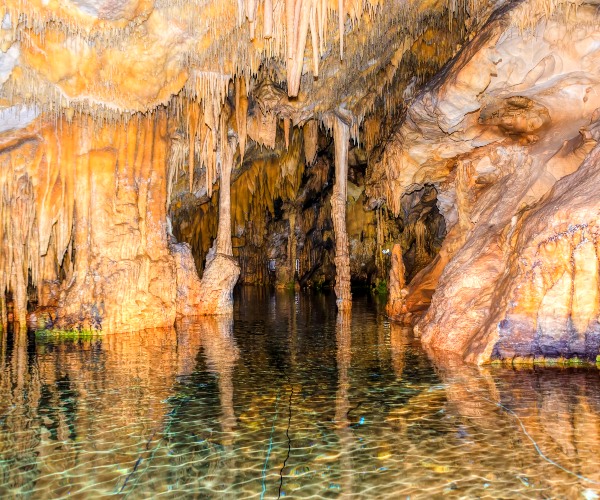
Diros Caves
As mentioned, the Caves of Diros are located on the southern slopes of Mount Dirfys in the Mani Peninsula. A stunning underground network of passages and chambers, it’s one of the most exceptional in the country with a crystal-clear underwater river. Visitors can explore by taking a boat tour in a small vessel led by a tour guide and experienced cave diver. Stalactites can be seen hanging from the towering ceilings while smaller galleries reveal intricate clay formations that have been created over centuries by the flowing water. The caves are inhabited by bats and the fossilized bones of lions, panthers, martens, deer, and hyenas have all been found inside. There was also pottery discovered near the natural entrance, indicating human presence.
Ready to plan your trip?
Whatever you want from your dream trip, our team ofexperts are ready to help.

COPYRIGHT © 2026 UNFORGETTABLE GREECE. ALL RIGHTS RESERVED